
 Polski
Zajmujemy się różnymi rodzajami ogniw, baterii i rozwiązań systemów magazynowania energii,
W przypadku pytań dotyczących naszych produktów prosimy o kontakt z nami. Skontaktujemy się z Tobą w ciągu 24 godzin.




Zajmujemy się różnymi rodzajami ogniw, baterii i rozwiązań systemów magazynowania energii,
W przypadku pytań dotyczących naszych produktów prosimy o kontakt z nami. Skontaktujemy się z Tobą w ciągu 24 godzin.
Jedziesz hulajnogą elektryczną i wszystko wydaje się płynne – aż do momentu, gdy wjeżdżasz na wzniesienie. Nagle hulajnoga zwalnia, z trudem utrzymuje prędkość, a nawet całkowicie się zatrzymuje. Brzmi znajomo? Nie jesteś sam. Problemy z pokonywaniem wzniesień na hulajnodze elektrycznejto jedna z najczęstszych dolegliwości wśród użytkowników hulajnóg na całym świecie. Dobra wiadomość jest taka, że większość przyczyn można zidentyfikować i naprawić. W tym poradniku przedstawimy najczęstsze przyczyny słabej pracy hulajnogi na pochyłościach i pokażemy, co można z tym zrobić.
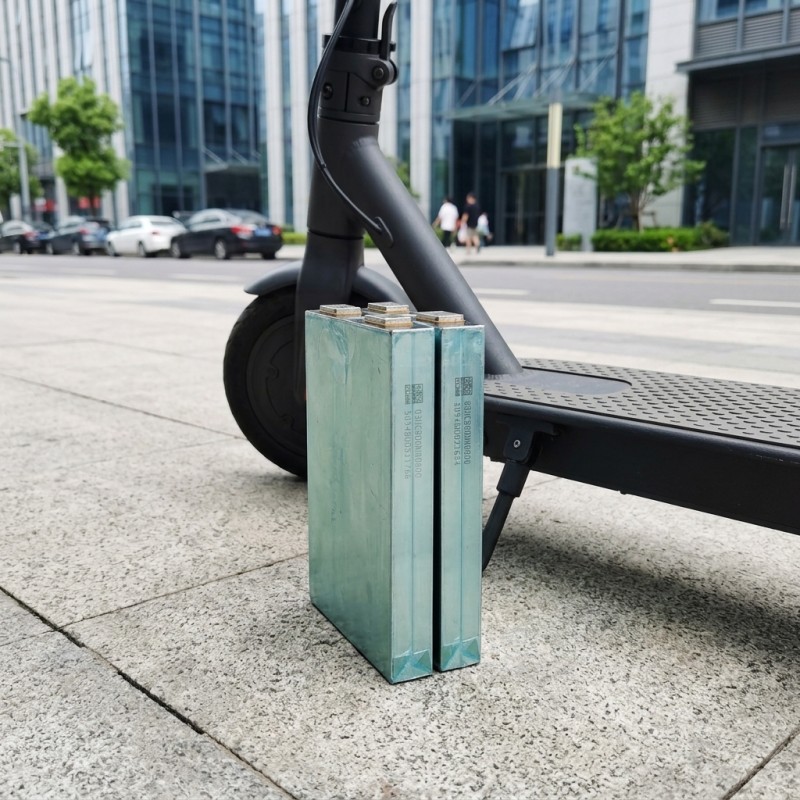
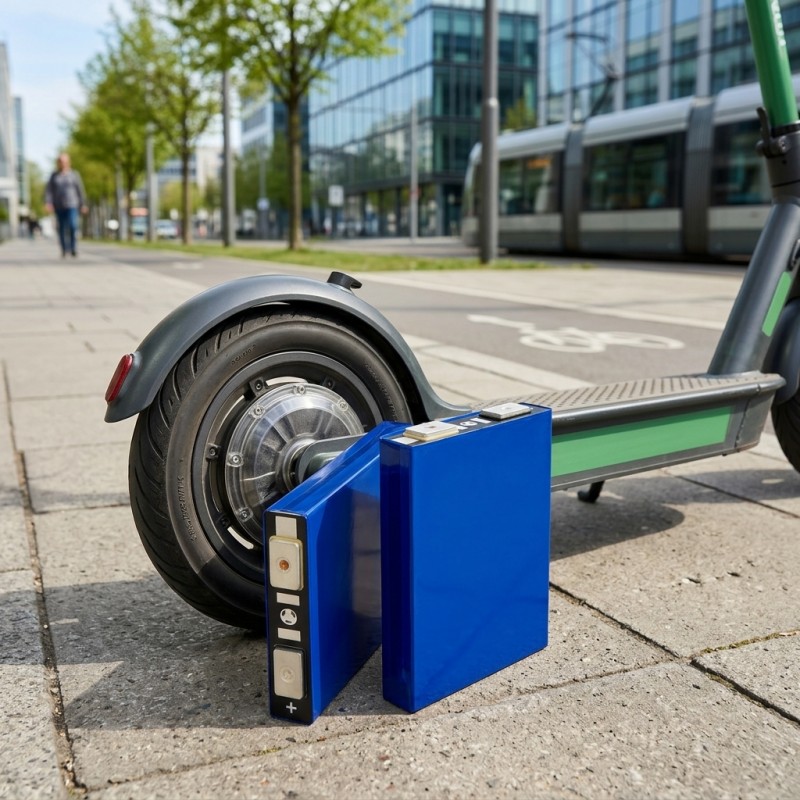
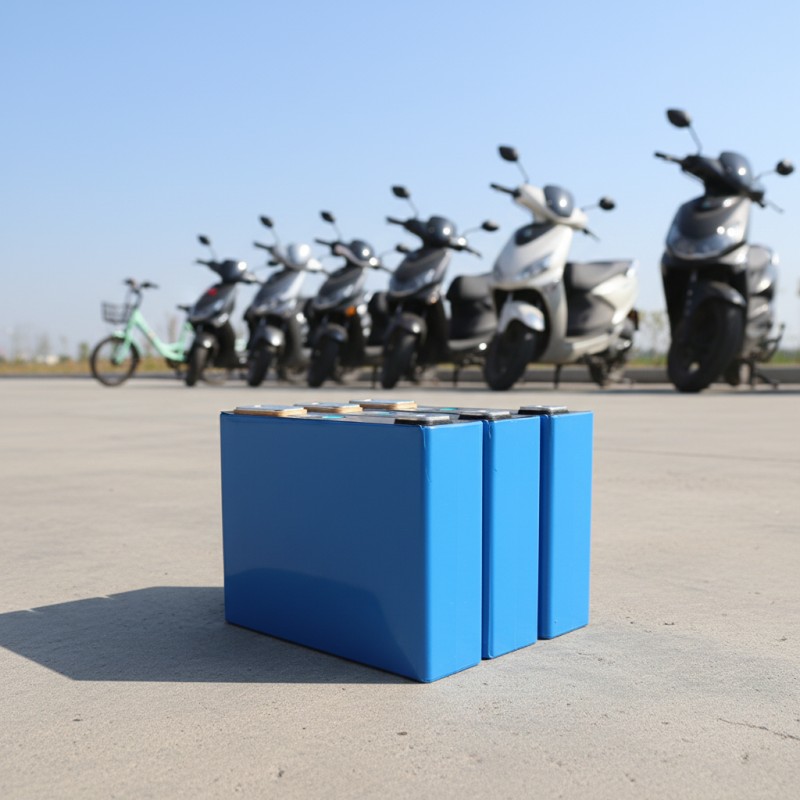
Wspinaczka po wzniesieniach wymaga znacznie większej mocy niż jazda po płaskim terenie. Jeśli akumulator jest stary, zużyty lub nie w pełni naładowany, po prostu nie jest w stanie dostarczyć stałego prądu potrzebnego do napędzania silnika pod górę.
Oznaki, że problem dotyczy baterii:
• Skuter dobrze radzi sobie na płaskich drogach, ale traci moc na zboczach
• Procent naładowania baterii gwałtownie spada podczas wspinaczki pod górę
• Zauważalnie mniejszy zasięg w porównaniu do czasu, gdy skuter był nowy
• Skuter nagle gaśnie pod dużym obciążeniem
Naprawić:Zawsze jeździj z w pełni naładowanym akumulatorem. Jeśli Twój skuter ma ponad 2 lata, rozważ wymianę akumulatora. Wymiana na akumulator o większej pojemności. bateria litowa do skutera elektrycznegomoże znacząco poprawić osiągi podczas pokonywania wzniesień i ogólny zasięg.
Moc silnika mierzy się w watach (W), a moment obrotowy określa, jak skutecznie silnik może wciągać ciężar pod górę. Skutery budżetowe często są wyposażone w silniki o mocy 250–350 W – wystarczające do jazdy po płaskim terenie, ale niewystarczające do pokonywania stromych wzniesień powyżej 10–15 stopni.
Dla rowerzystów w pagórkowatych miastach lub regionach o zróżnicowanym terenie — takich jak Wellington w Nowej Zelandii lub obszary górskie w Azji Środkowej — silnik skutera o mocy co najmniej 500 WZalecany do niezawodnego pokonywania wzniesień. Skutery dwusilnikowe (o mocy powyżej 1000 W) zapewniają najlepsze osiągi podczas pokonywania wzniesień.
Naprawić:Jeśli Twój obecny silnik jest zbyt słaby w Twoim terenie, najlepszym rozwiązaniem długoterminowym będzie wymiana na silnik o większej mocy lub zakup nowego modelu skutera z większym momentem obrotowym.
Każdy skuter elektryczny ma maksymalną ładowność, zazwyczaj od 100 kg do 120 kg. Przekroczenie tego limitu powoduje nadmierne obciążenie zarówno silnika, jak i akumulatora, utrudniając lub wręcz uniemożliwiając pokonywanie wzniesień – nawet na nowym skuterze.
Naprawić:Sprawdź specyfikację swojego skutera, aby poznać maksymalne obciążenie. Jeśli zbliżasz się do limitu lub go przekraczasz, rozważ model o większej wytrzymałości i wyższej ładowności. Zmniejszenie ciężaru przewożonego ładunku lub akcesoriów może również poprawić osiągi podczas podjazdów.
Niskie ciśnienie w oponach zwiększa opór toczenia – tarcie między oponą a nawierzchnią drogi. Na płaskim terenie może to tylko nieznacznie zmniejszyć prędkość. Na wzniesieniu może jednak zadecydować o tym, czy uda się dotrzeć na szczyt, czy zgasnąć w połowie drogi.
Naprawić:Regularnie sprawdzaj ciśnienie w oponach i pompuj je do ciśnienia zalecanego przez producenta. W przypadku opon pneumatycznych sprawdzaj również pod kątem przebić i nierównomiernego zużycia. Prawidłowo napompowane opony nie tylko ułatwiają pokonywanie wzniesień, ale także wydłużają żywotność akumulatora i zasięg.
Sterownik silnika reguluje ilość energii przepływającej z akumulatora do silnika. Wadliwy lub zbyt słaby sterownik może ograniczać prąd wyjściowy, co powoduje, że skuter nie działa tak dobrze — zwłaszcza w warunkach dużego obciążenia, takich jak jazda pod górę.
Typowe oznaki problemu ze sterownikiem:
• Skuter szarpie lub zacina się podczas przyspieszania pod górę
• Nierównomierne dostarczanie mocy na zboczach
• Nietypowe ciepło wydobywające się z obszaru kontrolera
• Kody błędów wyświetlane na desce rozdzielczej skutera
Naprawić:Zleć sprawdzenie sterownika wykwalifikowanemu technikowi. W wielu przypadkach wymiana uszkodzonego sterownika to opłacalna naprawa, która pozwala w pełni przywrócić wydajność.
Większość problemów z pokonywaniem wzniesień przez hulajnogi elektryczne sprowadza się do jednego głównego czynnika: niewystarczającego dostarczania mocy. Niezależnie od tego, czy jest to zużyty akumulator, silnik o zbyt małej mocy, czy zużyty kontroler, główną przyczyną jest zazwyczaj niewystarczające zasilanie układu napędowego w celu zaspokojenia zapotrzebowania.
Modernizacja do wersji o wysokiej wydajności akumulator litowy do skutera elektrycznegoto jeden z najskuteczniejszych sposobów na przywrócenie i poprawę osiągów podczas pokonywania wzniesień. Nasze akumulatory litowe zostały zaprojektowane do zastosowań o wysokim poziomie rozładowania, zapewniając stałą moc wyjściową nawet na stromych podjazdach – co czyni je idealnym rozwiązaniem dla rowerzystów w pagórkowatych regionach Nowej Zelandii, Rosji, Azji Środkowej i innych miejsc.
Masz pytania dotyczące modernizacji akumulatora swojego skutera? Skontaktuj się z naszym zespołem już dziśAby uzyskać fachową poradę i rozwiązanie dostosowane do Twoich potrzeb.
P1: Dlaczego moja hulajnoga elektryczna zwalnia na wzniesieniach, ale działa dobrze na płaskich drogach?
Zazwyczaj jest to problem z akumulatorem lub mocą silnika. Wspinaczka po wzgórzach wymaga znacznie więcej energii niż jazda po płaskim terenie. Zużyty akumulator lub silnik o zbyt małej mocy nie są w stanie utrzymać wymaganej mocy na podjazdach. Sprawdź stan akumulatora i upewnij się, że jest w pełni naładowany przed jazdą.
P2: Jakiej mocy silnik jest mi potrzebny do pokonywania wzniesień?
Na wzniesienia o umiarkowanym nachyleniu (do 15°) zaleca się silnik o mocy minimum 500 W. Na stromym terenie lub dla osób o większej wadze, silnik o mocy 800–1000 W lub konfiguracja z dwoma silnikami zapewnią niezawodną jazdę pod górę.
P3: Czy modernizacja akumulatora może poprawić osiągi podczas pokonywania wzniesień?
Tak, i to znacząco. Akumulator litowy o dużej pojemności i dużej zdolności rozładowania może dostarczać silnikowi stały prąd o większej mocy, co przekłada się na zauważalnie lepszą moc podczas pokonywania wzniesień i ogólną wydajność.
P4: Czy waga użytkownika hulajnogi elektrycznej ma wpływ na pokonywanie wzniesień?
Tak. Im cięższy jest całkowity ładunek (kierowca + ładunek), tym więcej mocy potrzeba do pokonania wzniesienia. Zawsze sprawdzaj, czy łączna masa mieści się w granicach maksymalnego obciążenia skutera, aby zapewnić bezpieczną i wydajną jazdę.
P5: Jak niska temperatura wpływa na zachowanie hulajnogi elektrycznej na wzniesieniach?
Niskie temperatury zmniejszają pojemność akumulatora i zwiększają opór wewnętrzny, co dodatkowo utrudnia pokonywanie wzniesień zimą. Akumulatory litowo-żelazowo-fosforanowe (LiFePO4) z wbudowanym systemem ogrzewania BMS działają znacznie lepiej w zimnym klimacie w porównaniu ze standardowymi akumulatorami kwasowo-ołowiowymi lub litowo-jonowymi.

Zostaw wiadomość
Zeskanuj do Wechata :

Hi! Click one of our members below to chat on