
 Polski
Zajmujemy się różnymi rodzajami ogniw, baterii i rozwiązań systemów magazynowania energii,
W przypadku pytań dotyczących naszych produktów prosimy o kontakt z nami. Skontaktujemy się z Tobą w ciągu 24 godzin.




Zajmujemy się różnymi rodzajami ogniw, baterii i rozwiązań systemów magazynowania energii,
W przypadku pytań dotyczących naszych produktów prosimy o kontakt z nami. Skontaktujemy się z Tobą w ciągu 24 godzin.
Wybierając rozwiązanie do magazynowania energii dla urządzeń przemysłowych, pojazdów elektrycznych, systemów solarnych lub systemów zasilania awaryjnego, bezpieczeństwo jest zawsze priorytetem. Jednym z najczęściej zadawanych pytań przez kupujących jest: Czy baterie litowe są bezpieczniejsze niż baterie kwasowo-ołowiowe?Krótka odpowiedź brzmi: tak — w tym poradniku dokładnie wyjaśnimy, dlaczego, omawiając wszystkie aspekty, od stabilności chemicznej po długoterminową wydajność, dzięki czemu będziesz mógł podjąć świadomą decyzję i być pewny siebie.
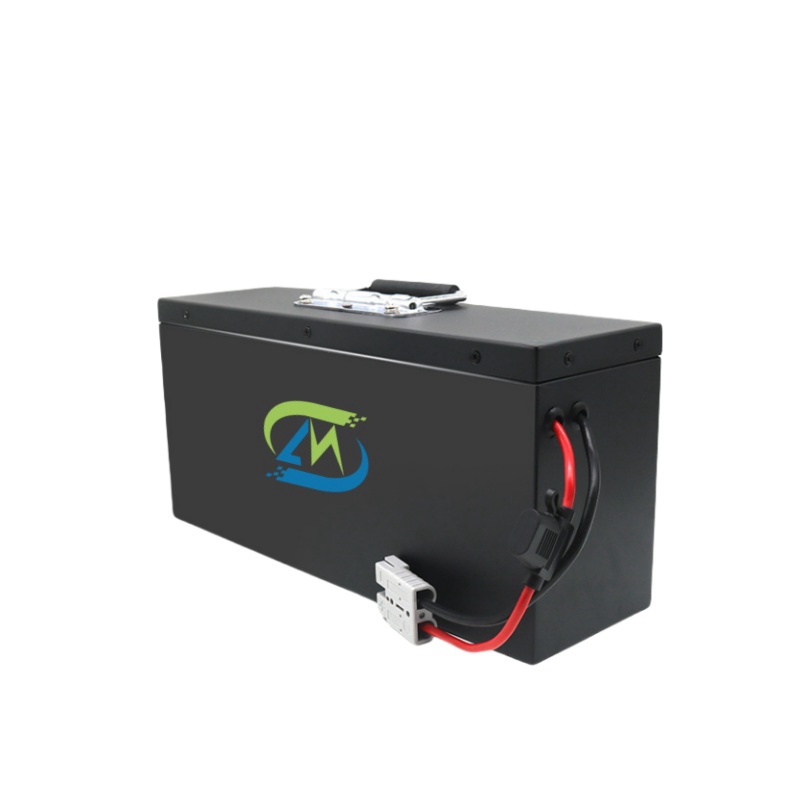
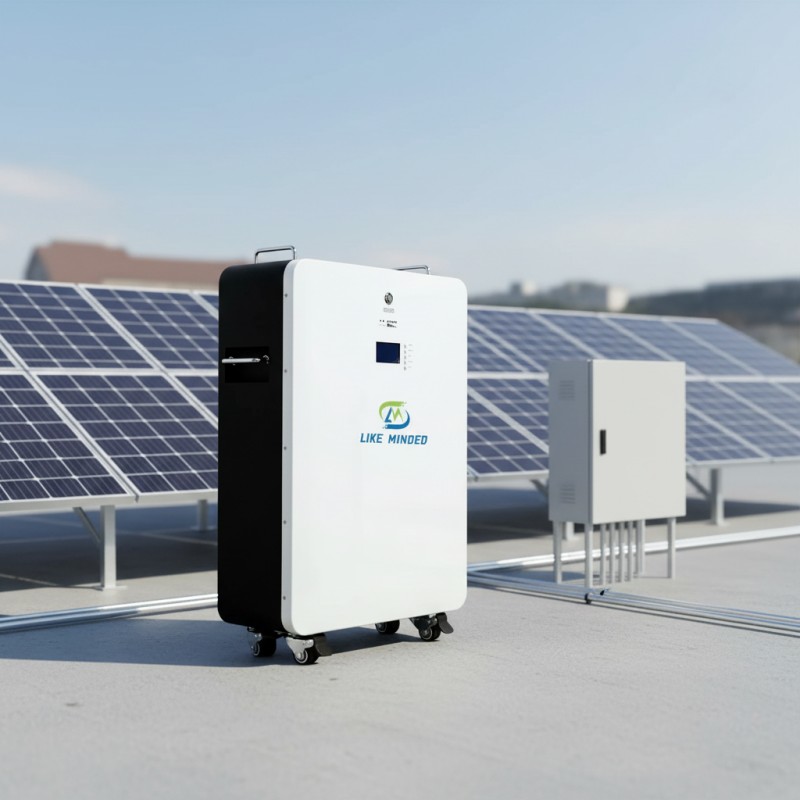
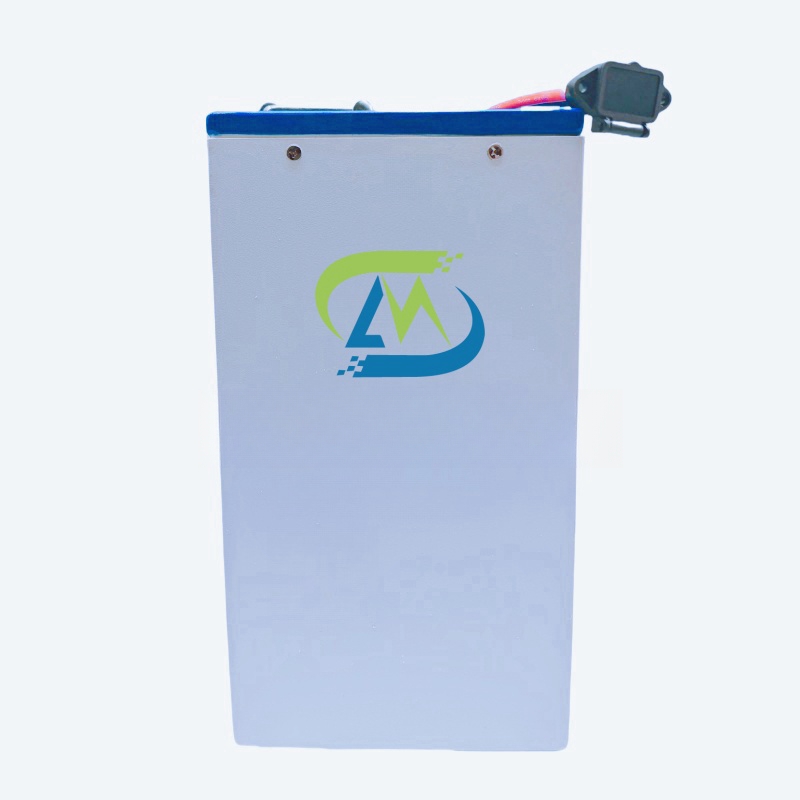
Tradycyjne akumulatory kwasowo-ołowiowe uwalniają wodór podczas ładowania – wysoce łatwopalny gaz, który stwarza ryzyko wybuchu i pożaru w słabo wentylowanych pomieszczeniach. Dlatego wiele magazynów, centrów danych i obiektów telekomunikacyjnych musi inwestować w systemy wentylacji, stosując technologię kwasowo-ołowiową.
W przeciwieństwie do tego, baterie litowe nie wytwarzają żadnej emisji toksycznych gazówPodczas normalnej pracy. Niezależnie od tego, czy wdrażasz magazynowanie energii w serwerowni w Kazachstanie, magazynie logistycznym w Rosji, czy domu poza siecią w Nowej Zelandii, baterie litowe można bezpiecznie instalować w zamkniętych przestrzeniach bez specjalnej wentylacji – co zmniejsza zarówno koszty infrastruktury, jak i ryzyko dla bezpieczeństwa.
Jedną z największych zalet nowoczesnych baterii litowych jest zintegrowany system zarządzania baterią (BMS). Ten inteligentny system elektroniczny stale monitoruje:
• Napięcie i temperatura ogniwa w czasie rzeczywistym
• Zabezpieczenie przed przeładowaniem i nadmiernym rozładowaniem
• Wyłącznik zwarciowy i nadprądowy
• Wyważanie ogniw w celu wydłużenia żywotności baterii
Akumulatory kwasowo-ołowiowe nie mają takiego wbudowanego zabezpieczenia. Technologia BMS baterii litowejaktywnie zapobiega niebezpiecznym warunkom zanim do nich dojdzie — dzięki czemu lit jest o wiele bezpieczniejszym wyborem w wymagających środowiskach.
Akumulatory kwasowo-ołowiowe zawierają kwas siarkowy i toksyczny ołów – oba te czynniki są niebezpieczne dla zdrowia ludzkiego i środowiska. Przypadkowe rozlanie może spowodować poważne oparzenia chemiczne, a niewłaściwa utylizacja prowadzi do zanieczyszczenia gleby i wody.
Akumulatory litowo-żelazowo-fosforanowe (LiFePO4), najszerzej stosowany typ w zastosowaniach przemysłowych i komercyjnych, nie zawiera metali ciężkich ani ciekłych kwasów. Są znacznie bezpieczniejsze w transporcie, instalacji i utylizacji – spełniając coraz surowsze przepisy ochrony środowiska, coraz częściej egzekwowane w Azji Środkowej, Europie Wschodniej i regionie Azji i Pacyfiku.
Ekstremalne temperatury stanowią realny problem na rynkach takich jak Rosja i Azja Środkowa, gdzie zimy bywają surowe. Akumulatory kwasowo-ołowiowe tracą znaczną pojemność w niskich temperaturach i są podatne na zamarzanie elektrolitu, co czyni je zawodnymi w trudnych warunkach klimatycznych.
Akumulatory litowe, a w szczególności te oparte na technologii LiFePO4, oferują doskonałą stabilność termiczną i szerszy zakres temperatur pracy. Zaawansowane funkcje podgrzewania BMS dodatkowo zapewniają niezawodne działanie w temperaturach poniżej zera. To kluczowy powód, dla którego… baterie litowe do zastosowań w zimnym klimaciesą coraz częściej preferowane w stosunku do alternatyw kwasowo-ołowiowych.
Typowy akumulator kwasowo-ołowiowy wytrzymuje 300–500 cykli ładowania. Częste wymiany nie tylko podnoszą koszty, ale także zwiększają ryzyko wypadków podczas instalacji, obsługi i utylizacji.
Wysoka jakość baterie litowe oferują 2000–5000+ cykli ładowania — nawet 10 razy dłużej niż w przypadku akumulatorów kwasowo-ołowiowych. Mniejsza liczba wymian oznacza mniejsze ryzyko związane z obsługą, mniejsze narażenie na konserwację i znacząco niższy całkowity koszt posiadania w dłuższej perspektywie. Dla firm w Nowej Zelandii, Rosji i Azji Środkowej, które chcą ograniczyć ryzyko operacyjne, ta przewaga w cyklu życia ma kluczowe znaczenie.
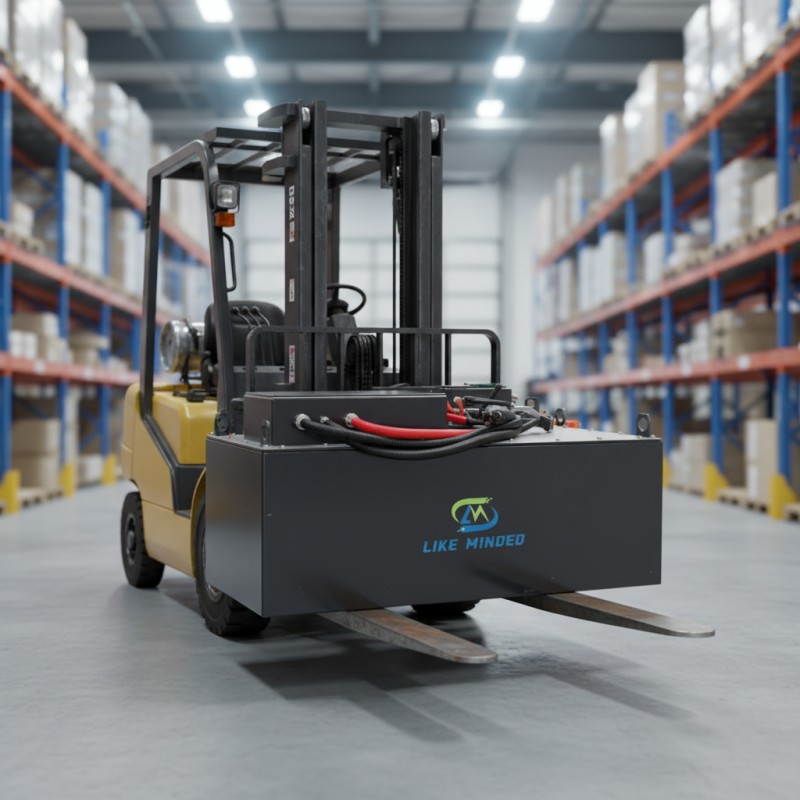
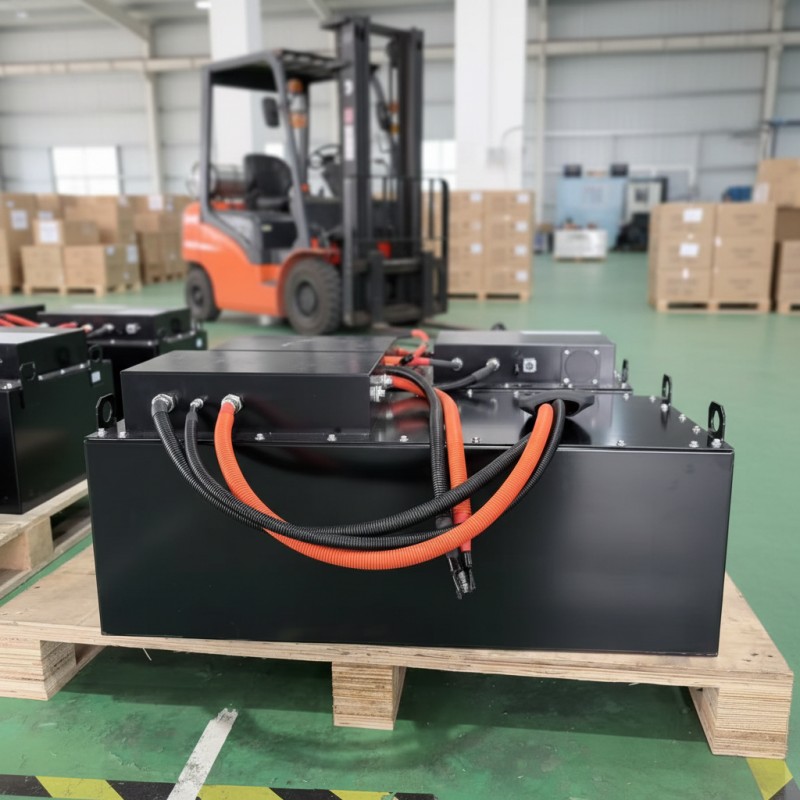
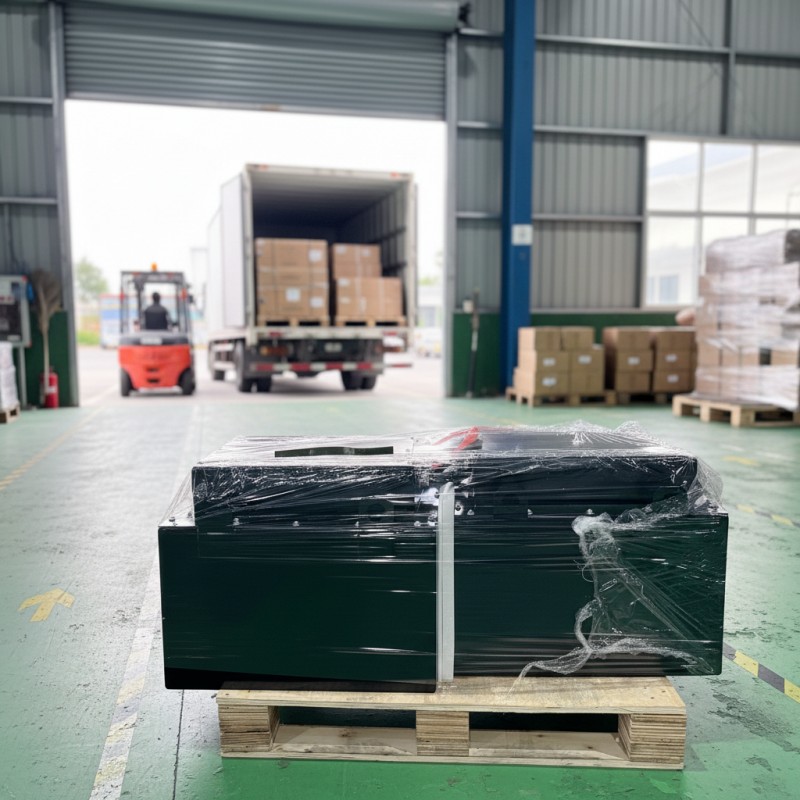
Od eliminacji emisji toksycznych gazów i wycieków kwasów, po zapewnienie inteligentnej ochrony BMS i lepszą wydajność termiczną, baterie litowe oferują zasadniczo bezpieczniejsze rozwiązanie do magazynowania energii w porównaniu z technologią kwasowo-ołowiową. W obliczu zaostrzających się norm bezpieczeństwa na całym świecie i zapotrzebowania firm na bardziej niezawodne rozwiązania energetyczne, przejście na lit jest nie tylko mądre – jest wręcz niezbędne.
Gotowy na modernizację swojego systemu zasilania? Skontaktuj się z nami już dziś aby zapoznać się z pełną ofertą naszych rozwiązań w zakresie akumulatorów litowych przeznaczonych do zastosowań przemysłowych, komercyjnych i poza siecią na całym świecie.
Często zadawane pytania
P1: Czy baterie litowe są bezpieczniejsze do użytku wewnątrz pomieszczeń niż baterie kwasowo-ołowiowe?
Tak. W przeciwieństwie do akumulatorów kwasowo-ołowiowych, akumulatory litowe nie emitują wodoru podczas ładowania, co czyni je całkowicie bezpiecznymi w pomieszczeniach zamkniętych, takich jak magazyny, serwerownie i instalacje domowe – bez konieczności stosowania specjalnej wentylacji.
P2: Czy baterie litowe mogą działać w ekstremalnie niskich temperaturach?
Tak. Akumulatory litowo-żelazowo-fosforanowe (LiFePO4) zostały zaprojektowane z myślą o niezawodnej pracy w niskich temperaturach, dzięki czemu idealnie nadają się do regionów o surowych zimach, takich jak Rosja, Kazachstan i Azja Środkowa. Zaawansowane modele posiadają wbudowaną funkcję ogrzewania BMS, która zapewnia stabilną pracę nawet w temperaturach poniżej zera.
P3: Co się stanie, jeśli bateria litowa zostanie przeładowana?
Nowoczesne akumulatory litowe są wyposażone w system zarządzania akumulatorem (BMS), który automatycznie przerywa ładowanie po osiągnięciu pełnej pojemności. Zapobiega to przeładowaniu, przegrzaniu i potencjalnym zagrożeniom bezpieczeństwa — funkcji ochronnej, której nie posiadają akumulatory kwasowo-ołowiowe.
P4: Jak długo wytrzymują baterie litowe w porównaniu z bateriami kwasowo-ołowiowymi?
Baterie litowe zazwyczaj wytrzymują 2000–5000+ cykli ładowania, podczas gdy akumulatory kwasowo-ołowiowe wytrzymują tylko 300–500 cykli. Oznacza to, że bateria litowa może działać nawet 10 razy dłużej, znacznie zmniejszając częstotliwość wymiany i koszty długoterminowe.
P5: Czy baterie litowe są bezpieczne dla środowiska?
Tak. Akumulatory litowo-żelazowo-fosforanowe (LiFePO4) nie zawierają toksycznych metali ciężkich ani kwasu siarkowego, co czyni je znacznie bezpieczniejszymi w obsłudze, transporcie i utylizacji w porównaniu z akumulatorami kwasowo-ołowiowymi. Spełniają one coraz surowsze przepisy ochrony środowiska obowiązujące w Azji Środkowej, Europie Wschodniej i regionie Azji i Pacyfiku.
P6: Czy warto przejść z akumulatorów kwasowo-ołowiowych na litowe?
Zdecydowanie. Chociaż baterie litowe wiążą się z wyższymi kosztami początkowymi, ich dłuższa żywotność, niższe wymagania konserwacyjne, zaawansowane funkcje bezpieczeństwa i lepsza wydajność w ekstremalnych warunkach sprawiają, że są one znacznie bardziej opłacalnym i niezawodnym wyborem w dłuższej perspektywie – szczególnie w zastosowaniach przemysłowych, solarnych i poza siecią.

Zostaw wiadomość
Zeskanuj do Wechata :

Hi! Click one of our members below to chat on